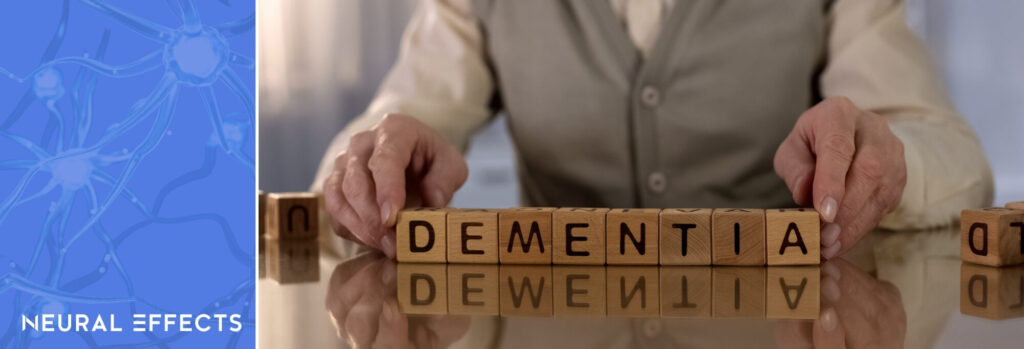
Practical guidance on risk, prevention, and next steps for families. What your relative’s diagnosis does (and doesn’t) mean for you Alzheimer’s disease (AD). Most people with Alzheimer’s disease develop symptoms after age 65. In this late‑onset form, risk is shaped by many genes (the best known is APOE ε4) plus medical and environmental factors. Having […]
Read More… from Dementia in the Family: Facts, Risks, and Your Next Steps