Evaluation for Dementia
Dementia and the loss of cognitive function can be a frightening part of the aging process for many. Memories can disappear, daily tasks become more difficult, and patients and their caregivers can often feel a sense of hopelessness about how to handle these life changes.
A neuropsychological evaluation is one of the first steps to determining a patient’s diagnosis and learning how to navigate this new chapter in their life.
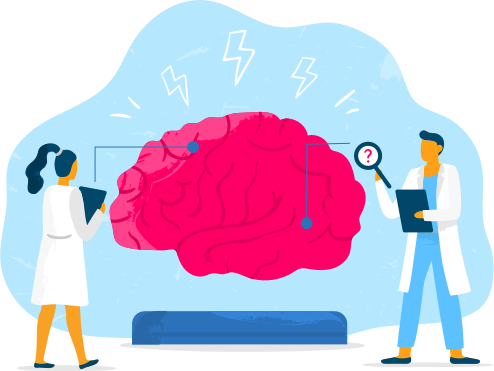
What is a Neuropsychological Evaluation?
A neuropsychological evaluation is a comprehensive, one-on-one assessment of the brain’s capabilities. Using standardized tests and clinical interviews, we measure:
- Memory (short-term, long-term, and learning efficiency)
- Attention and processing speed
- Executive functions (planning, organization, problem-solving)
- Language (word finding, comprehension, fluency)
- Visuospatial skills
- Mood and behavioral health
- Everyday functioning and safety
Because we compare results to age- and education-based norms, we can determine where performance is expected, borderline, or clearly impaired and how patterns map to specific neurocognitive diagnoses versus other causes.
Why Choose Neuropsycholgical Testing at Neural Effects
Availability. We get you on the schedule within weeks, not months. Other clinics may make you wait 6 months or more to be tested as they work through a backlog of patients of many different age groups and conditions. Don’t wait 6 months for a test and 6 more to see a neurologist. Taking action means starting with us.
Clear answers. We translate data into plain-language conclusions and practical recommendations for care.
Differential diagnosis. We identify patterns that help distinguish among Alzheimer’s disease, vascular cognitive impairment, Lewy body disease, frontotemporal dementia, and cognitive changes related to sleep, mood, medications, pain, or traumatic brain injury.
Actionable next steps. We provide you a written plan tailored to safety, independence, medical follow-up, and caregiver support.
Who Should Consider an Evaluation?
Consider a consultation to see if testing is right for you if:
- You have noticed new or worsening memory loss, word-finding problems, or confusion
- Increasing difficulty managing medications, finances, appointments, or driving
- Noticing changes in personality, behavior, sleep, or visual hallucinations
- Family history of dementia and new concerns about thinking
- Medical factors that can affect cognition (e.g., stroke/TIA, Parkinson’s, sleep apnea, depression/anxiety, head injury)
What to Expect
Intake & Records Review
We gather medical history, medications, imaging/lab results (if available), and speak with a care partner to capture real-world changes.
Testing Session (2.5–4 hours, with breaks)
You’ll complete paper-and-pencil tasks. No computers. No studying required. Glasses and hearing aids are welcome.
Review of Findings
We review results, explain what they mean, answer your questions, and providea clear plan for the next steps.
How to Prepare
Complete your paperwork at least one day before your appointment.
Don’t forget your glasses and wear hearing aids if you have them.
Bring a list of your current medications.
Bring reports of or write down the dates and locations of any brain imaging you have had in the last several years.
Eat normally and take medications as prescribed.
If possible, bring a family member or care partner with you to your appointments.
Insurance Coverage
Most insurers cover neuropsychological evaluation. A referral from your doctor can also help to show your insurance that testing is medically necessary.
Your coverage and cost is determined by your insurer. We are happy to provide a benefits check, estimates, pre-authorization support, and superbills as needed.
Want to know more?
Report of Findings
Evaluation results will include:
- Diagnosis or diagnostic impression (when appropriate)
- Cognitive strengths and weaknesses with percentile ranks
- Safety considerations (driving, finances, medications, home)
- Personalized recommendations for medical follow-up, therapies, daily routines, and caregiver resources
- A baseline for future comparison

Ongoing Monitoring with Yearly Retesting
Dementia and cognitive changes evolve over time. Establishing a baseline now allows us to track meaningful change and adjust care.
- Annual check-ins: We recommend yearly re-evaluation (or sooner if there’s a notable change) to monitor progression, treatment response, and safety.
- Compare-to-self: Follow-up testing uses the same or equivalent measures so we can sensitively detect changes in memory, attention, language, and executive skills.
- Care plan updates: After each re-evaluation, you’ll receive updated recommendations for medications to discuss with your physician, driving/finances guidance, home supports, and community resources.
- Support for families: Regular monitoring helps caregivers plan, access benefits, and communicate clearly with the medical team.
Frequently Asked Questions

Dementia in the Family: Facts, Risks, and Your Next Steps
Practical guidance on risk, prevention, and next steps for families. Family history raises but doesn’t predetermine dementia…

Who Should Come to a Memory Clinic?
Short answer: more people than you might think. Neural Effects in particular sees not only people with…

Alzheimer’s Natural Treatment: Herbal Products and Alternative Treatments