Transform Your Mood with MRI-Guided rTMS for Depression
At Neural Effects, we offer a powerful, non-invasive treatment for depression using repetitive transcranial magnetic stimulation (rTMS) with personalized targeting based on your own brain anatomy.
What is rTMS?
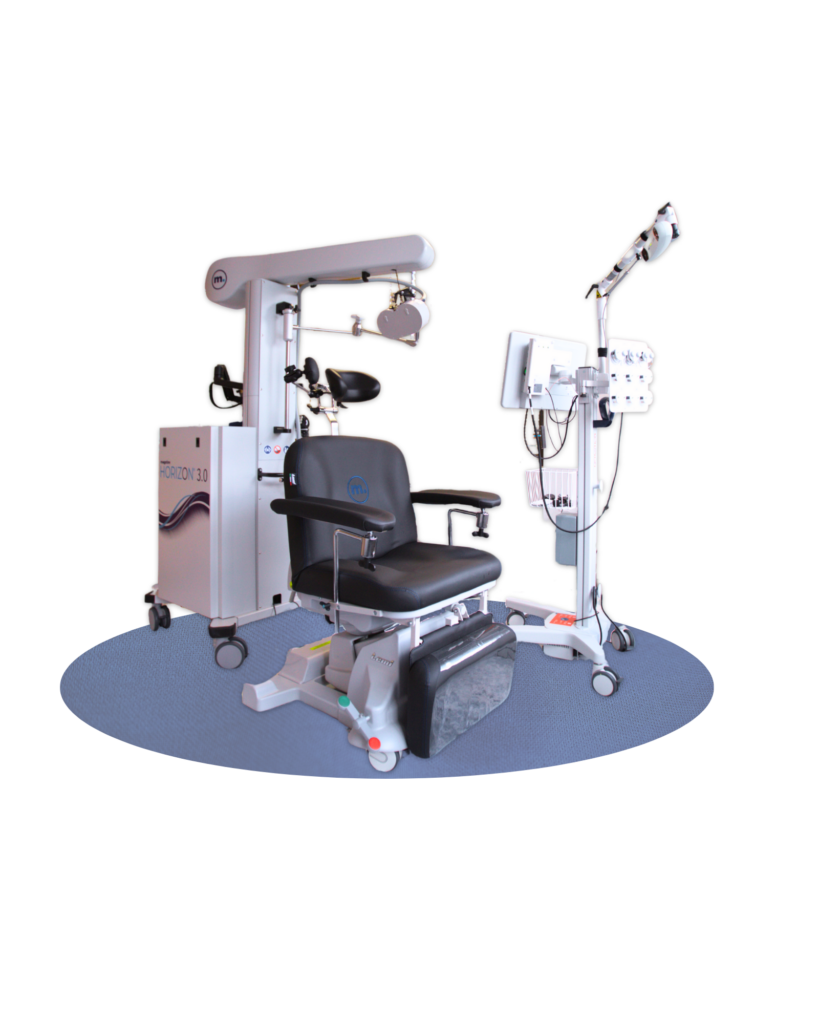
Repetitive transcranial magnetic stimulation or rTMS, is a non-invasive, FDA-approved treatment for depression. It uses gentle magnetic pulses to stimulate the part of the brain involved in mood regulation.
Most clinics attempt to target this brain region by estimating the correct location on your scalp. Research shows that this targeting method misses the correct part of the brain in up to two-thirds of patients!1
At Neural Effects, we have chosen to use a more individualized targeting method to increase your chances of successful depression remission.
MRI-Guided Precision. Life Changing Results
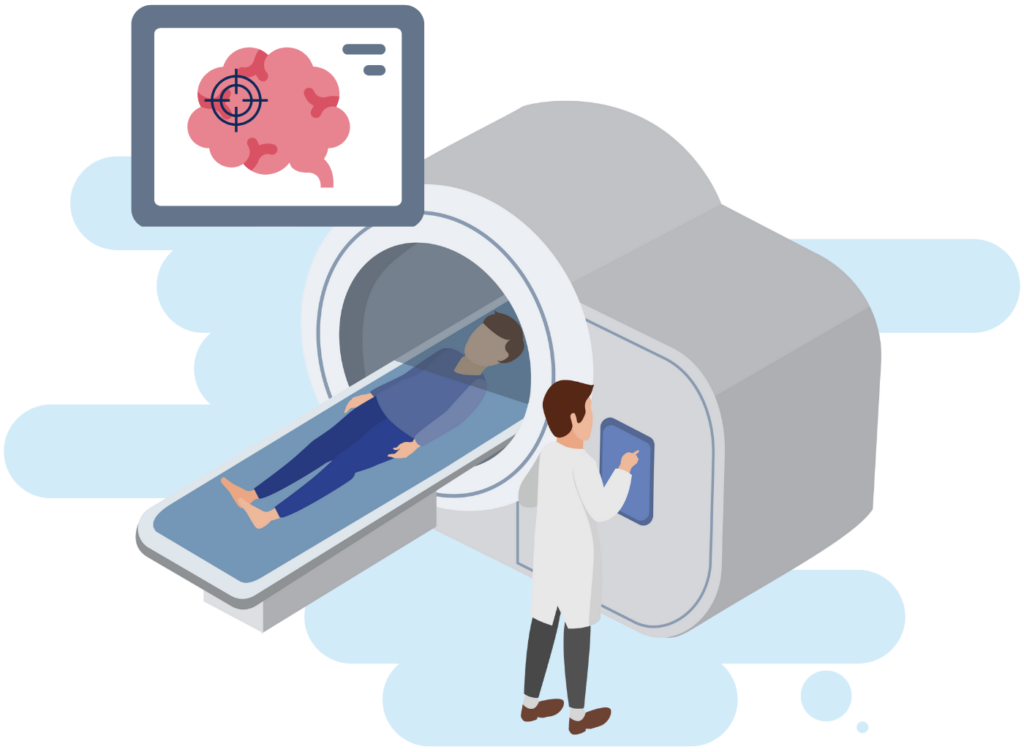
Unlike standard rTMS protocols that use general landmarks to guide treatment, a one-size-fits all method, Neural Effects utilizes advanced neuronavigation and your individual structural MRI scan to offer more precise treatment.2
Each patient receives a structural MRI, which shows the exact shape and position of their brain. We use this scan to guide the placement of the treatment coil so that we can directly target the part of the brain that regulates mood.
Standard rTMS is delivered on TMS machines that require manual positioning of the treatment coil at the start of each session, and if you move your head in the slightest your treatment site may no longer be in the target area. At Neural Effects, our advanced TMS machine with neuronavigation automatically targets and adjusts with your movements, keeping your treatments consistent.
This customized approach ensures stimulation is delivered exactly where it’s needed, maximizing the impact of each session.
Frequently Asked Questions
One Part of A Comprehensive Depression Care Plan
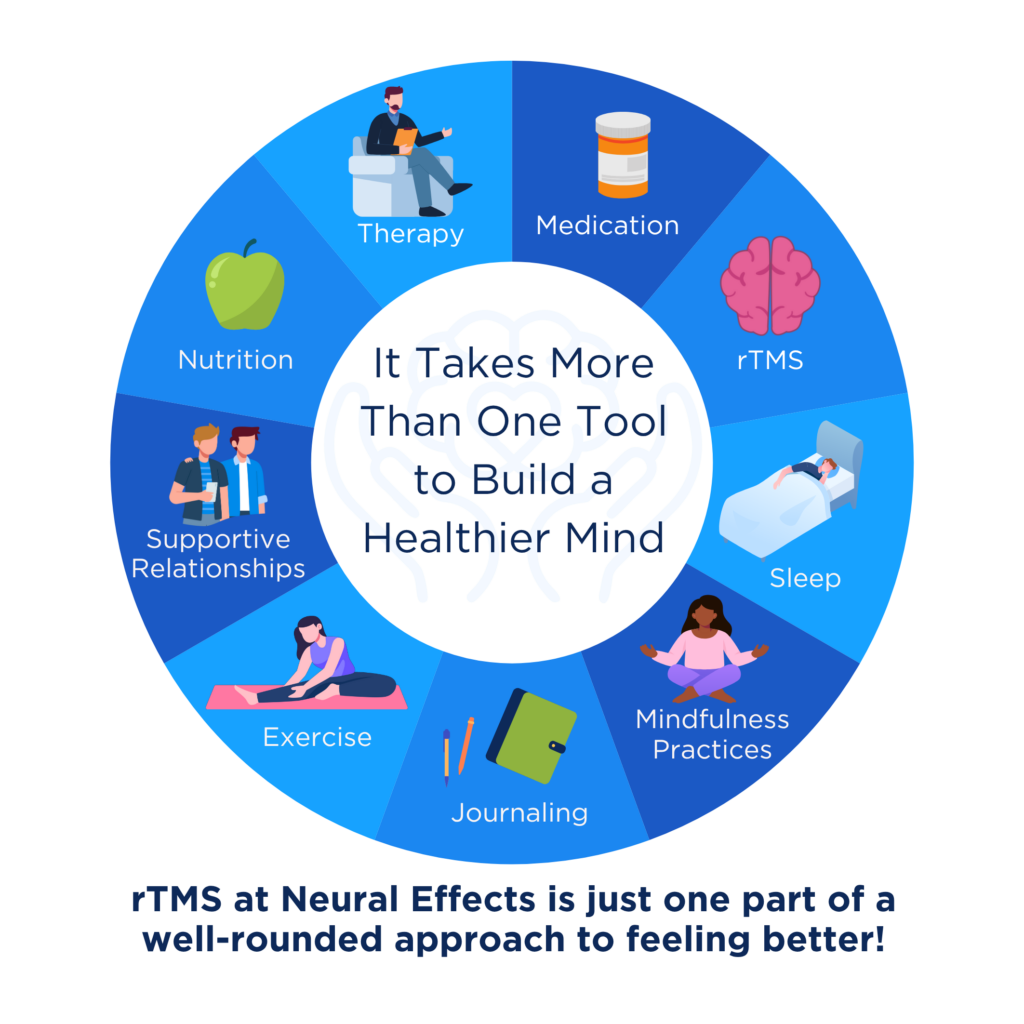
At Neural Effects, we know that MRI-guided rTMS can be a powerful tool in your journey toward feeling better. To get the most out of treatment, it’s important to take a comprehensive approach to managing depression—one that includes support from your mental health provider before, during, and after rTMS.
While we specialize in delivering personalized rTMS therapy, we do not provide ongoing mental health care or medication management. That’s why we work in partnership with your therapist, psychologist, or psychiatrist to ensure you have the support and guidance you need throughout the process. In some cases, we may require their clearance before beginning treatment to ensure rTMS is the right fit for you.
Are you a provider who would like to refer a patient for rTMS?

- Neuronavigation maximizes accuracy and precision in TMS positioning: Evidence from 11,230 distance, angle, and electric field modeling measurements
Caulfield, Kevin A. et al. ↩︎ - Repetitive Transcranial Magnetic Stimulation Target Location Methods for Depression
Zhang, Min et al.
Frontiers in Neuroscience, Volume 15, 2021 ↩︎